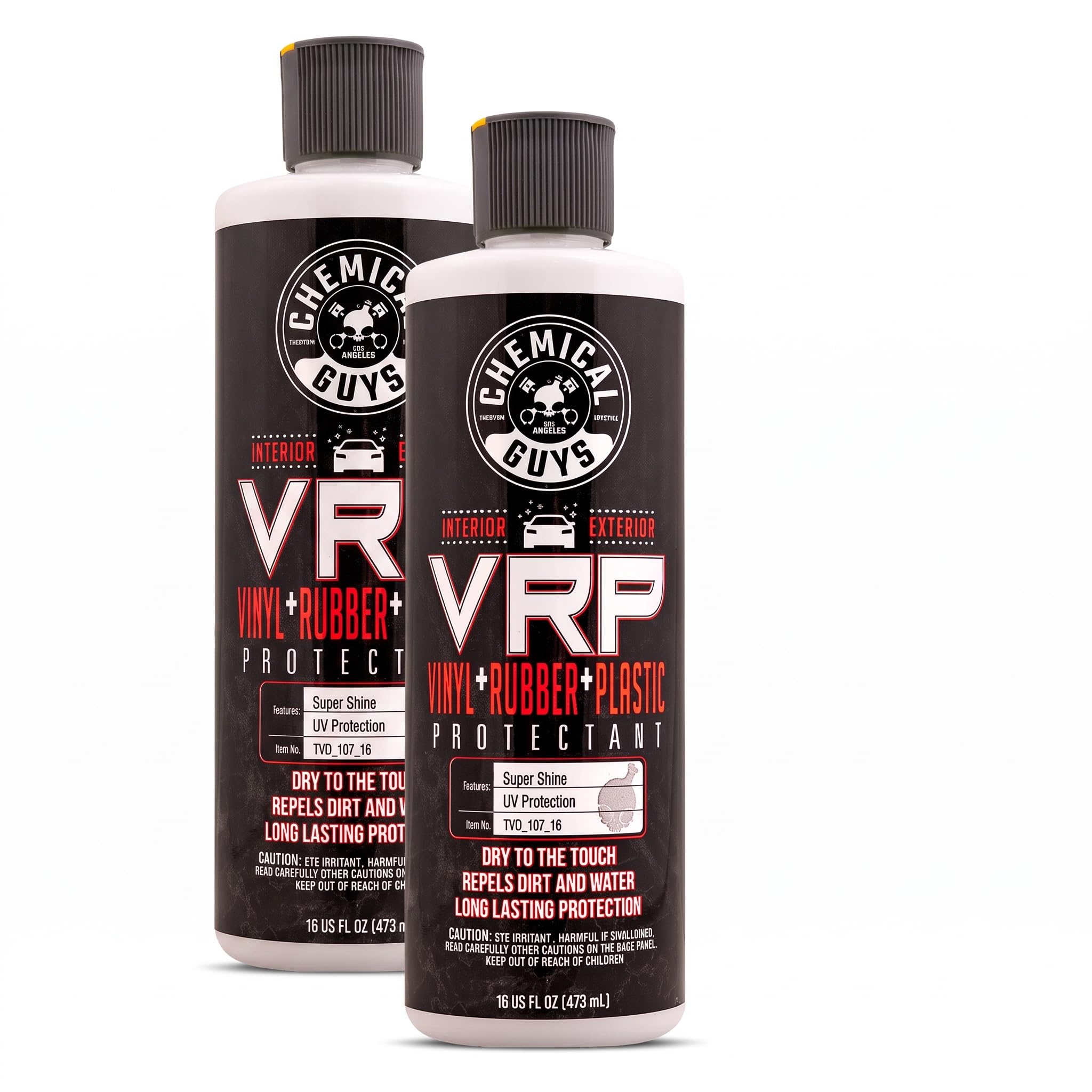
Chemical Guys VRP is a multi-surface dressing for tires and automotive trim, with a clean satin finish designed to feel dry rather than greasy.
This chemical guys vrp on tires review looks at its application, finish, and versatility to help you decide whether it suits your detailing routine.
Chemical Guys VRP Review Summary
The quick verdict
33,000+ ratings
Read Amazon ReviewsChemical Guys VRP Dressing
A versatile dressing for drivers who want a clean, dry-to-the-touch finish on tires, trim, and other vinyl, rubber, and plastic surfaces.
- Designed for tires, trim, bumpers, dashboards, door panels, weatherstripping, and engine bay plastics.
- Leaves a clean satin finish described as non-greasy and dry to the touch.
- Intended to help shield vinyl, rubber, and plastic from sun-related fading, cracking, and discoloration.
- Applied with an applicator or microfiber towel, followed by wiping off excess.

Pros
- One dressing is intended for a wide range of interior and exterior surfaces.
- The satin finish offers a restrained alternative to products focused on a wet, high-gloss look.
Consider before buying
- The satin appearance may not satisfy buyers specifically seeking a bold, wet-look tire shine.
- Achieving an even result requires spreading the product and wiping away excess rather than simply leaving an application untouched.
Read the full review summary
VRP is designed to refresh the appearance of tires, bumpers, dashboards, door panels, weatherstripping, and engine bay plastics.
Its broad surface compatibility makes it a practical option for someone who wants one dressing for several parts of a vehicle, rather than a tire-only shine product.
The finish is described as satin and dry to the touch, with protection intended to help guard vinyl, rubber, and plastic against sun-related fading, cracking, and discoloration.
Application is straightforward: spread with an applicator or microfiber towel, then wipe away excess for an even result. The product is also described for boat trim, RV seals, and vinyl patio furniture.
The buying factors
Chemical Guys VRP Scorecard
Editorial scores reflect listed features and buyer fit; they are not laboratory measurements or customer ratings.
Surface versatility
The described uses cover tires, interior and exterior trim, dashboards, weatherstripping, engine bay plastics, and some household or marine surfaces.
Finish flexibility
A clean satin finish suits buyers seeking a refreshed appearance without an explicitly high-gloss look.
Application simplicity
A towel or applicator and a wipe-off step make the stated process easy to follow.
Tactile finish
The dry-to-the-touch, non-greasy design should appeal to buyers who want to avoid an oily-feeling dressing.
Sun-exposure care
The product is intended to help protect treated vinyl, rubber, and plastic from sun-related fading, cracking, and discoloration.
Finish control
Wiping away excess supports an even result, though the description does not give specific guidance for adjusting sheen.
Key Features and Specifications of Chemical Guys VRP
- Designed for tires, trim, bumpers, dashboards, door panels, weatherstripping, and engine bay plastics.
- Leaves a clean satin finish described as non-greasy and dry to the touch.
- Intended to help shield vinyl, rubber, and plastic from sun-related fading, cracking, and discoloration.
- Applied with an applicator or microfiber towel, followed by wiping off excess.
- Also described for boat trim, RV seals, vinyl patio furniture, and other rubber or plastic surfaces.
- The supplied product title identifies a 16-fluid-ounce size.
Pros and Cons of Chemical Guys VRP
Pros
- One dressing is intended for a wide range of interior and exterior surfaces.
- The satin finish offers a restrained alternative to products focused on a wet, high-gloss look.
- Dry-to-the-touch positioning addresses buyers who dislike greasy-feeling surfaces.
- The wipe-off application gives users a simple way to even out the finish.
Consider before buying
- The satin appearance may not satisfy buyers specifically seeking a bold, wet-look tire shine.
- Achieving an even result requires spreading the product and wiping away excess rather than simply leaving an application untouched.
- The description does not specify how long the finish lasts between washes, so buyers prioritizing a particular maintenance interval should check the product instructions.
Who Should Buy Chemical Guys VRP?
Good fit
Consider VRP if your detailing routine covers tires as well as several vinyl, rubber, or plastic surfaces.
Its stated uses extend from tire sidewalls and exterior trim to dashboards, door panels, weatherstripping, and engine bay plastics, which can make a multipurpose dressing more convenient than keeping a separate formula for every area.
The finish is a key part of the decision. VRP is aimed at a clean satin appearance with a dry-to-the-touch feel, so it fits buyers who want surfaces to look refreshed without emphasizing a wet gloss.
Follow the application approach: spread with an applicator or microfiber towel, then remove excess to help leave an even surface.
Its stated sun-exposure protection may also appeal to owners maintaining exterior rubber and plastic over time.
For uses beyond a vehicle, the described applications include boat trim, RV seals, and vinyl patio furniture; check the product instructions to confirm suitability for the specific surface you plan to treat.
Who should skip it
Look elsewhere if your priority is an explicitly high-gloss, wet-look tire finish. VRP is positioned around a satin result, so its intended appearance may not match that preference.
A dedicated tire-only product may make more sense if you do not need the interior, trim, or other-surface versatility and prefer a dressing tailored to a narrower task.
How Chemical Guys VRP Fits a Tire Dressing Routine
A satin finish for tire sidewalls
On tires, VRP is intended to restore a rich, deep appearance while leaving a satin rather than overtly wet look.
That makes the finish worth considering before buying: the best fit depends on whether you want a restrained appearance or a more dramatic shine. The described dry-to-the-touch result may also suit drivers who prefer less greasy-feeling tire care.
One product for multiple materials
The appeal extends beyond tires. VRP is described for vinyl, rubber, and plastic surfaces in both interior and exterior settings, including dashboards, door panels, bumpers, weatherstripping, and engine bay plastics.
This breadth can simplify a routine, but apply carefully to the specific surface and wipe off excess as directed.
Application and finish control
The stated method uses an applicator or microfiber towel, followed by wiping away excess for a smooth, even finish.
That extra wipe is a useful part of the process: distribute the dressing evenly, then remove residue rather than leaving visible buildup. If the product is being used on a less familiar surface, check its care guidance first.
What the protection claim means for upkeep
VRP is intended to help protect vinyl, rubber, and plastic from sun-related fading, cracking, and discoloration. It can be considered as part of regular surface care, but no particular durability interval is provided here.
If time between applications matters to your routine, check the instructions and plan to assess the treated surfaces as they are washed and maintained.
Alternatives to Chemical Guys VRP
Automotive Wheel Care alternative
600+ ratings
Read Amazon ReviewsChemical Guys Tire Kicker
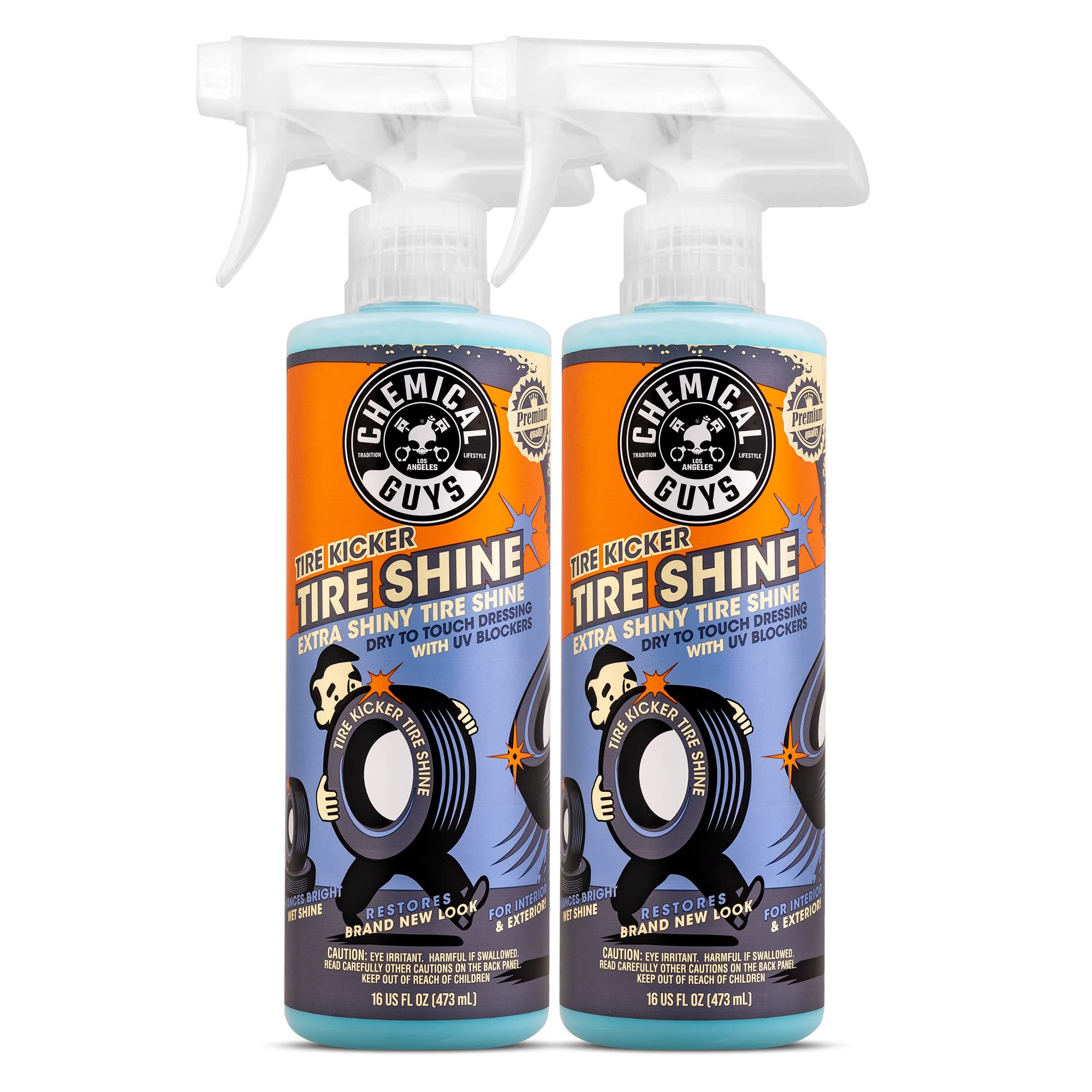
Choose VRP if a satin finish and broad interior-and-exterior versatility are priorities. Tire Kicker is the better fit if you specifically want a wetter-looking shine and prefer a sprayable application.
- Tire Kicker is a sprayable dressing described as producing a deep, wet look on tires, trim, and bumpers, with application directly to the surface or an applicator.
- Chemical Guys VRP is positioned around a satin finish and use across tires, interior surfaces, and exterior trim.
Automotive Wheel Care alternative
300+ ratings
Read Amazon ReviewsChemical Guys VRP Dressing, 32 oz
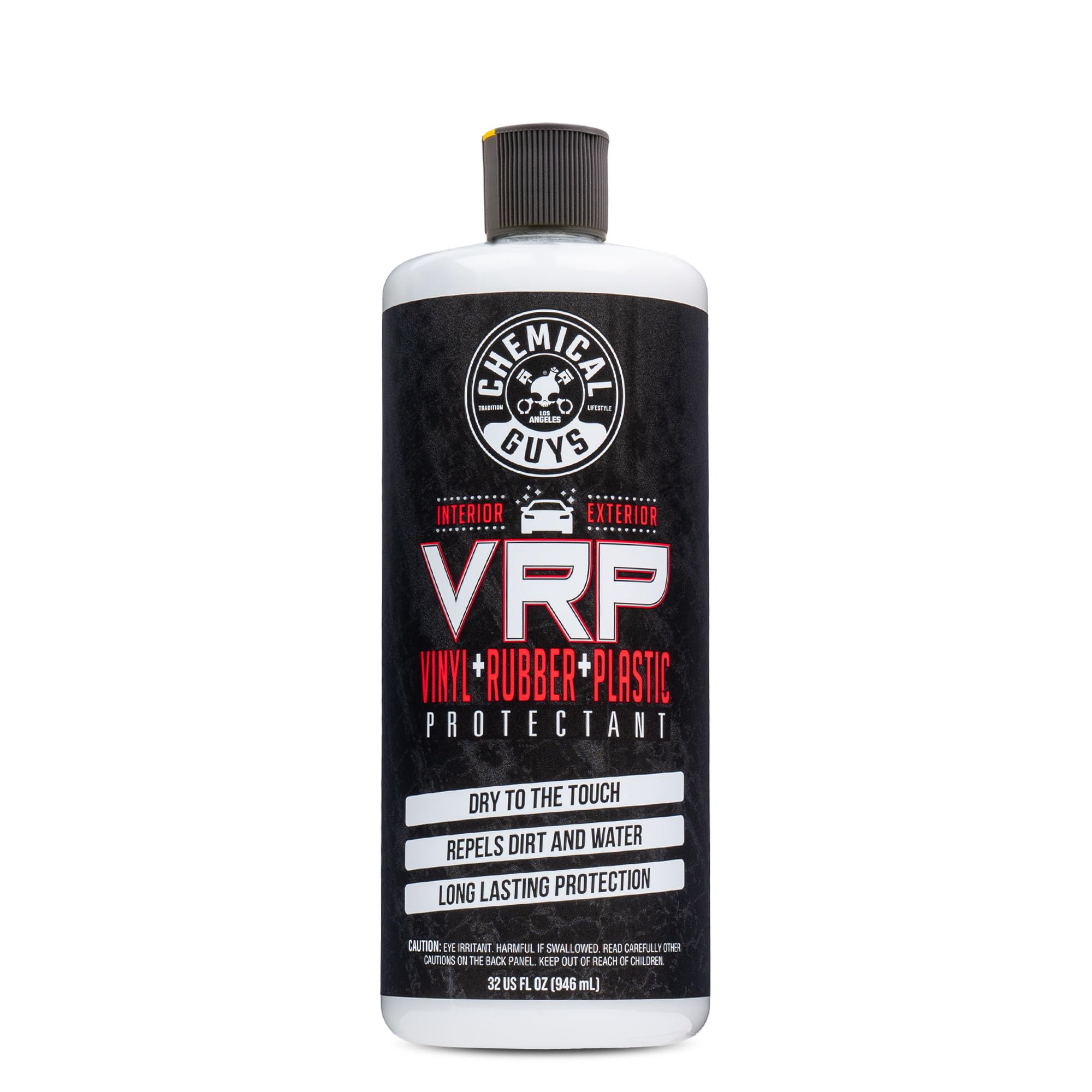
The two options share the stated VRP design and uses. Consider the 32-ounce size if you expect to use the dressing across many surfaces or detail regularly; the 16-ounce version is a more compact choice for occasional use.
- This VRP option is described with the same broad surface uses and satin, non-greasy finish, in a 32-fluid-ounce size.
- The reviewed VRP size is identified as 16 fluid ounces and is described for tires, trim, dashboards, and other vinyl, rubber, and plastic surfaces.
Is Chemical Guys VRP Worth It?
Chemical Guys VRP is worth considering if you want a dry-to-the-touch satin dressing that can be used on tires and a range of vinyl, rubber, and plastic surfaces.
Its practical strengths are versatility, straightforward towel-or-applicator use, and a finish suited to buyers who prefer understated shine.
Choose it with the satin appearance in mind: drivers seeking a distinctly wet-look tire finish may be happier with a product designed for that effect.
For most multi-surface routines where a clean, restrained finish is the goal, VRP is a sensible option to consider.
Your review at a glance
33,000+ ratings
Read Amazon ReviewsChemical Guys VRP Dressing
A versatile dressing for drivers who want a clean, dry-to-the-touch finish on tires, trim, and other vinyl, rubber, and plastic surfaces.
- Designed for tires, trim, bumpers, dashboards, door panels, weatherstripping, and engine bay plastics.
- Leaves a clean satin finish described as non-greasy and dry to the touch.
- Intended to help shield vinyl, rubber, and plastic from sun-related fading, cracking, and discoloration.
- Applied with an applicator or microfiber towel, followed by wiping off excess.